
GMK Ports & Terminals represents the GMK Group’s engagement with port infrastructure, terminal operations, and maritime logistics systems. The vertical is positioned as a strategic enabler of global trade, supporting efficient movement of goods and passengers through specialised, technology-driven port terminals integrated with logistics and supply-chain ecosystems.
GMK Ports & Terminals
Integrated Maritime, Cargo Handling & Logistics Infrastructure
-
GMK Ports & Terminals aligns with globally recognised terminal classifications, each designed to handle specific cargo types and operational requirements.
A. Break-Bulk Terminals
Handle cargo packed in drums, bags, pallets, or boxes
Suitable for project cargo, machinery, steel, and packaged goods
Require specialised handling equipment and flexible storage systems
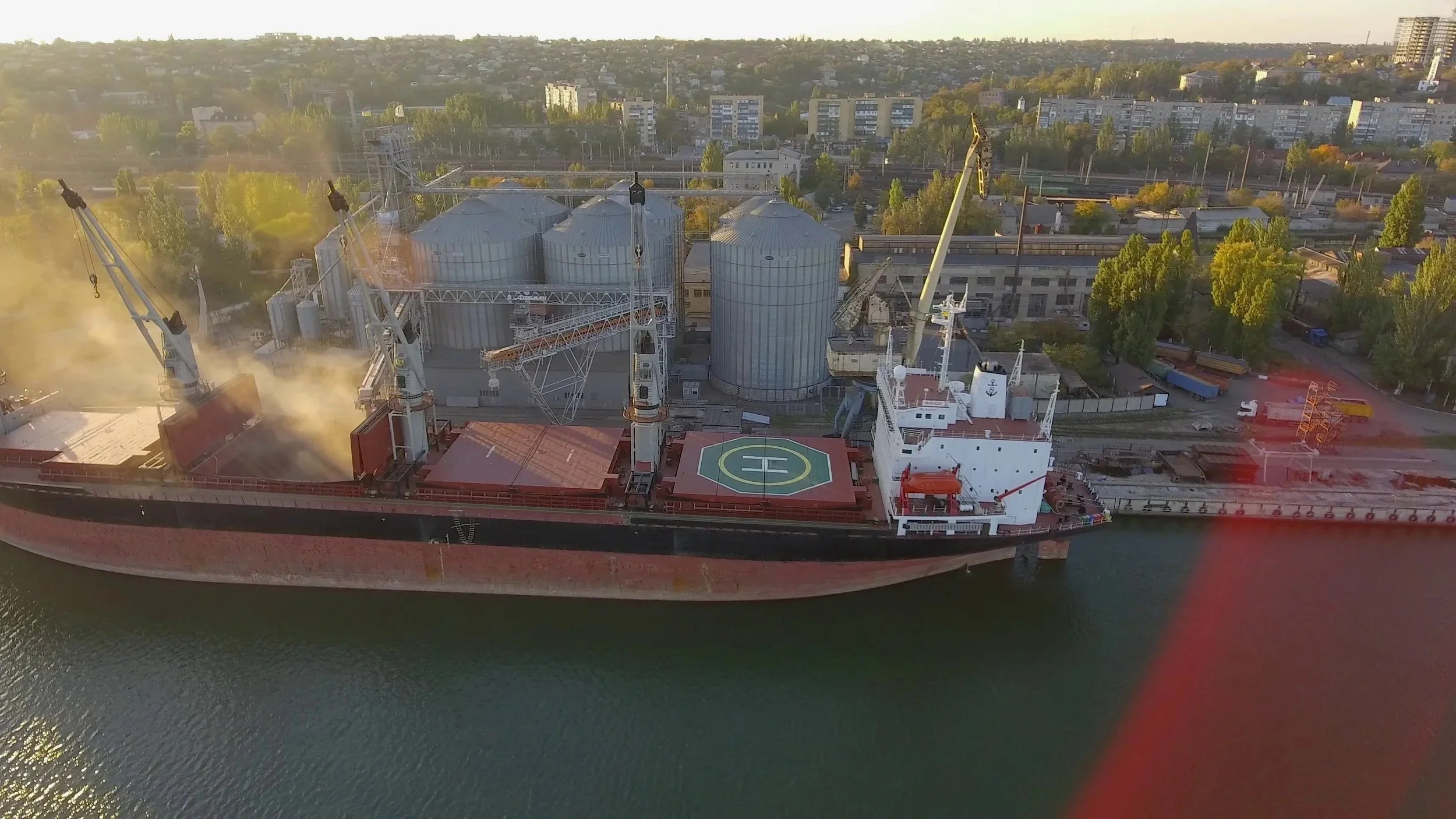
B. Dry Bulk Terminals
Handle unpackaged cargo transported in large volumes
Includes commodities such as coal, grains, minerals, and ores
Operations are optimised around ship size, throughput efficiency, and demand patterns
C. Liquid Bulk Terminals
Designed for the storage and transfer of liquids such as oil, chemicals, LNG, and edible oils
Require high safety standards, containment systems, and regulatory compliance
Integrated pipelines, tanks, and monitoring systems
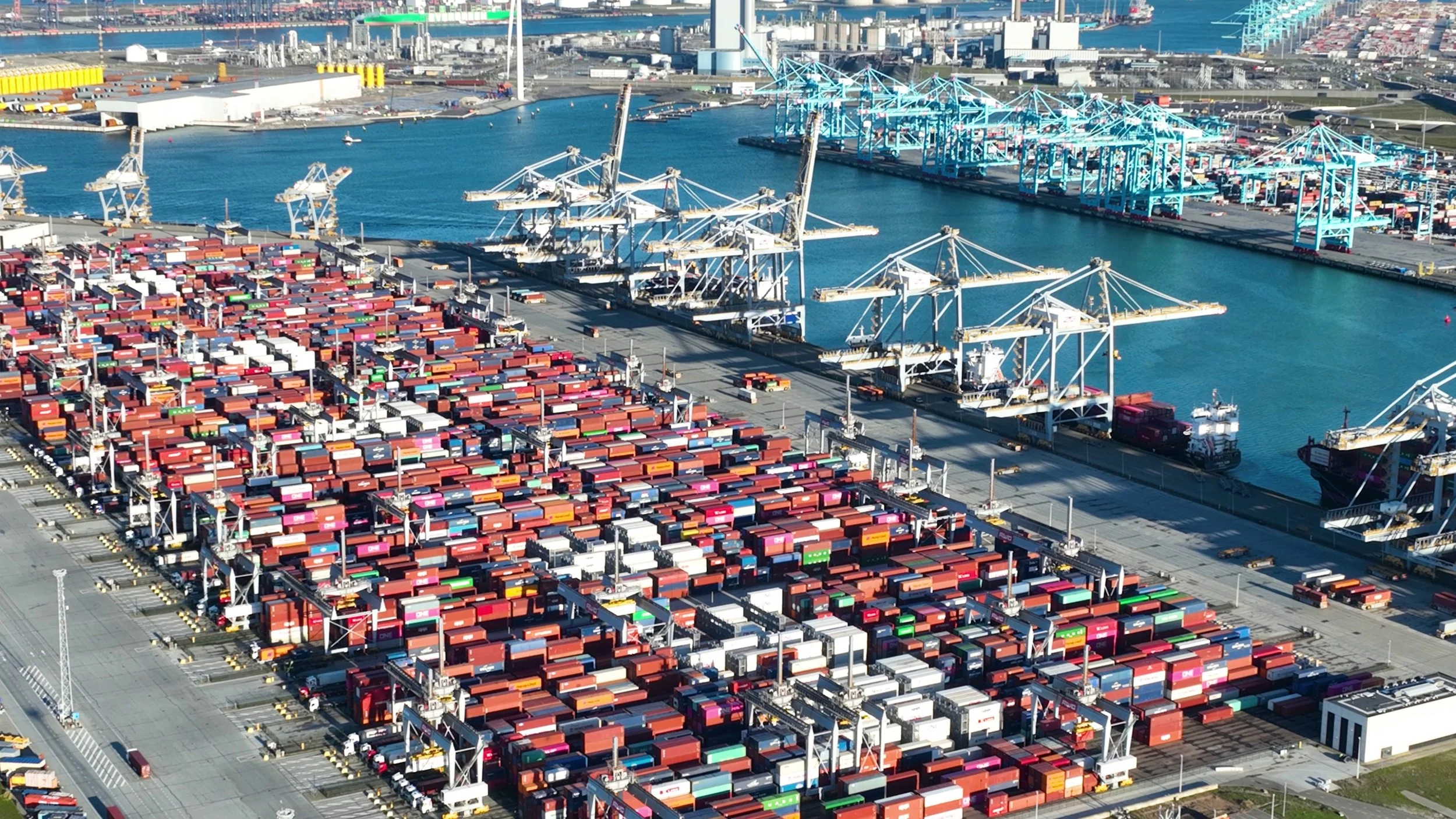
D. Container Terminals
Handle containerised cargo using standard ISO containers
Enable high-volume, standardised global trade
Depend on advanced yard management, cranes, and digital tracking systems
E. Ro-Ro (Roll-on/Roll-off) Terminals
Designed for wheeled cargo such as cars, trucks, and heavy vehicles
Enable fast loading and unloading through ramps rather than cranes
Critical for automotive and project logistics
F. Passenger Terminals
Support ferry, cruise, and passenger vessel operations
Focus on safety, comfort, security, and efficient embarkation/disembarkation
Integrated with urban transport and tourism infrastructure
-
GMK Ports & Terminals is guided by the following operational principles:
Specialisation by cargo type for efficiency and safety
Integration with inland logistics, warehousing, and multimodal transport
Adoption of modern port technologies and digital systems
Compliance with international maritime, safety, and environmental standards
-
Ports and terminals play a critical role in national and global economies by:
Enabling international trade and supply-chain resilience
Supporting industrial clusters and export-oriented sectors
Creating large-scale employment and ancillary economic activity
Acting as gateways for energy, food, and essential commodities